Cheese Knife
Cheese knives sit within the kitchenware branch of household goods, a small and focused shelf holding three direct products. This compact selection keeps the assortment easy to navigate for buyers who know exactly which serving tool they need. Mid range pricing places the group between basic everyday cutlery and premium specialty pieces, so the emphasis falls on sensible materials and clean finishing rather than luxury detailing.
Alongside this shelf, buyers will find butter knives and combined butter and cheese knives, which let a single order cover both spreading and slicing needs. The nearby knife categories range from kitchen knives and steak knives to ceramic, plastic, and stainless steel knives, giving a wide frame of reference for assortment planning across food preparation and table service.
Shopper demand for these tools centers on how they perform at the table. A cheese knife is expected to cut through firm wedges without crushing softer varieties, and the handle should stay comfortable during casual entertaining. Buyers typically look for shapes that pair well with existing serving boards and flatware, favoring restrained designs that suit both home dining rooms and gift-driven occasions.
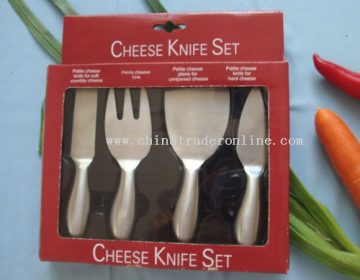
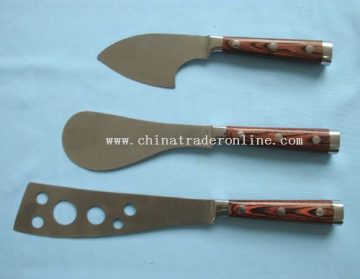
Because the group is small, each style carries more weight in the overall presentation. Merchandising works best when the three products are shown as distinct silhouettes, with clear differences in blade shape and handle proportion visible at a glance. Photographs from consistent angles help buyers compare the set quickly and choose the mix that fits their own customers.
Cross-selling opportunities extend naturally into butter knives, steak knives, and broader kitchen knife lines, while gift sets and specialty knife collections offer seasonal tie-ins. Keeping the focus on table service keeps the category coherent. Mid range positioning rewards attention to finish and balance, and these three products give buyers a concise starting point for building a cheese service selection.
3 products