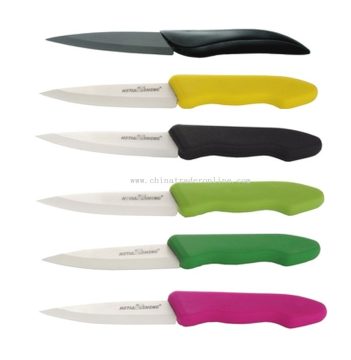
Fruit Knife
Fruit knives sit in the household kitchenware aisle, a small shelf within the broader knives section where paring, peeling, and tabletop prep tools are grouped. This category holds two direct products, both listed under the low-to-mid range price band, making it a compact entry point for buyers building a kitchen assortment around everyday cutting tasks rather than heavy chef blades.
Shoppers browsing this shelf will find ceramic and wooden fruit knife styles represented among the related listings. The ceramic option favors a clean, non-reactive edge for slicing soft produce, while the wooden handle style leans toward a warmer, traditional look. Together they cover the two material directions most buyers expect at this tier.
Because the selection is narrow, presentation should carry weight. Group the fruit knives by handle material and blade type so retail buyers can compare at a glance. Small prep tools sell well when shown next to cutting boards, peelers, and storage containers, so cross-merchandising around everyday kitchen routines helps the shelf perform beyond its modest product count.
Nearby categories give useful context for assortment planning. Kitchen knives, steak knives, and stainless steel knives sit close by, along with ceramic knives for shoppers already committed to that material. Gift sets knives, camping knives, and multifunctional knives pull in different buyers entirely, which keeps fruit knives focused on the home kitchen rather than outdoor or promotional use.
Volume expectations should stay realistic for a two-item category. Buyers often test fruit knives as an add-on line before expanding, so clear photography, consistent sizing language, and honest material descriptions matter more than breadth. Position the shelf as a dependable complement to the larger knife assortment and let the low-to-mid price band do the work of attracting first-time orders.
2 products