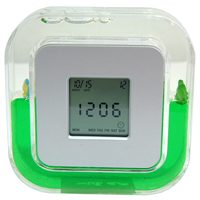
Rotating Clock
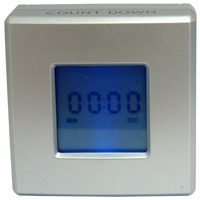
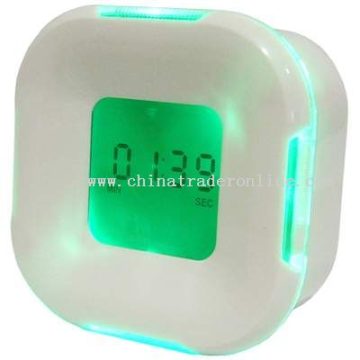
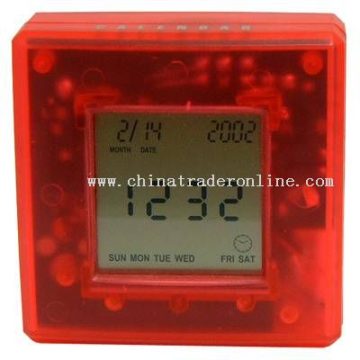
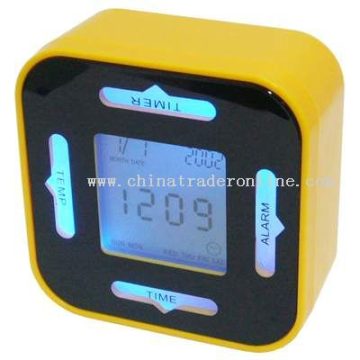
Rotating clocks sit at the playful end of the gift and craft aisle, where a timepiece doubles as a small moving display. This shelf gathers five direct items, among them a rotating aqua clock, calendar and light variations, and a straightforward rotating clock. Each one pairs a readable dial with a spinning element, so the object earns a place on a desk or shelf even when nobody is checking the hour.
Buyers browsing this mid-range selection usually arrive from nearby clock categories such as desk clock, novelty clock and alarm clock, then drift toward something with motion. The rotating format suits gift shops, home decor corners and seasonal displays that favor movement over a static face. Calendar and light versions add a second function, while the aqua model leans on liquid motion for visual interest.
Construction details matter in this niche because the spin has to feel smooth rather than loose. Housings typically combine molded plastic with metal or glass elements, and the clockwork is set into a balanced base that keeps the motion steady. Assortments that mix calendar, light and aqua formats give retailers variety on one shelf without widening the footprint.
Gift and craft retailers often merchandise these clocks beside cartoon clock and pen holder clock lines, where small novelty pieces sell on impulse. A rotating piece works well as a desk accessory, a child's room accent or a lighthearted present. Because the motion draws the eye, display placement near the front of a section tends to help the whole clock range.
Ordering across the five items lets a buyer build a compact rotating clock story alongside wall, pendulum and grandfather styles. Mid-range positioning keeps the assortment accessible for gift buyers while leaving room for the extra features found in the calendar and light models. Stocking several finishes and functions at once gives customers a reason to compare and choose.
5 products